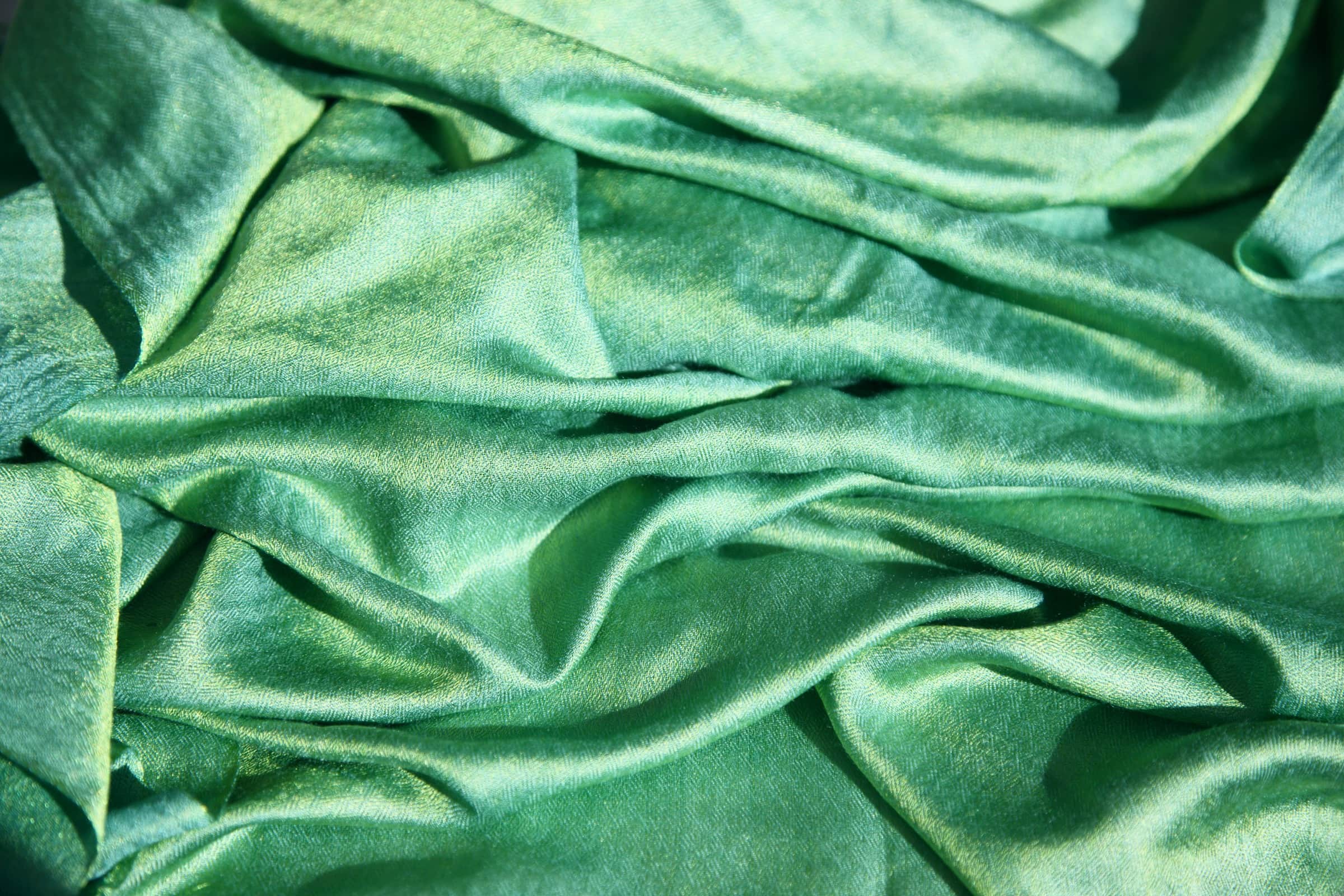
The most beautiful garments in a wardrobe are often the least worn — a saree for a wedding, one for a celebration, and then they hang there.
Noksha exists because someone else would gladly wear them again.
How it works
Two sides of the same trade.
If you are selling
- 01
List your saree
Photograph it, describe the weave, condition and fabric, set your price. It takes a few minutes.
- 02
Send it with PostNord
When it sells, you get a digital shipping label in the app. Drop the parcel at your nearest PostNord service point — shipping costs you nothing.
- 03
Get paid
You are paid once the buyer has collected the parcel and confirmed it matches. You receive 80% of the sale price.
If you are buying
- 01
Find a saree you love
Browse sarees listed by private individuals across Sweden. Every listing is one unique garment — once it sells, it is gone.
- 02
Pay safely
Pay by card or Swish. Noksha holds the funds — the seller is not paid until you have your garment.
- 03
Collect and confirm
Delivery is typically 2–5 business days. Collect it from your service point, check the garment, and confirm in the app.
What Noksha charges
Noksha charges a 20% commission on each completed sale. The seller receives the remaining 80% of the sale price. Listing is free, and shipping is paid separately by the buyer at checkout. Green Loop AB acts solely as an intermediary and is not a party to the sale contract between users.
What you can sell
Sarees, worn once or never.
Every listing is a single saree. Once it sells, it leaves the feed.
Noksha is for sarees and nothing else — which keeps the feed easy to browse and the search genuinely useful.
Weaves and fabrics
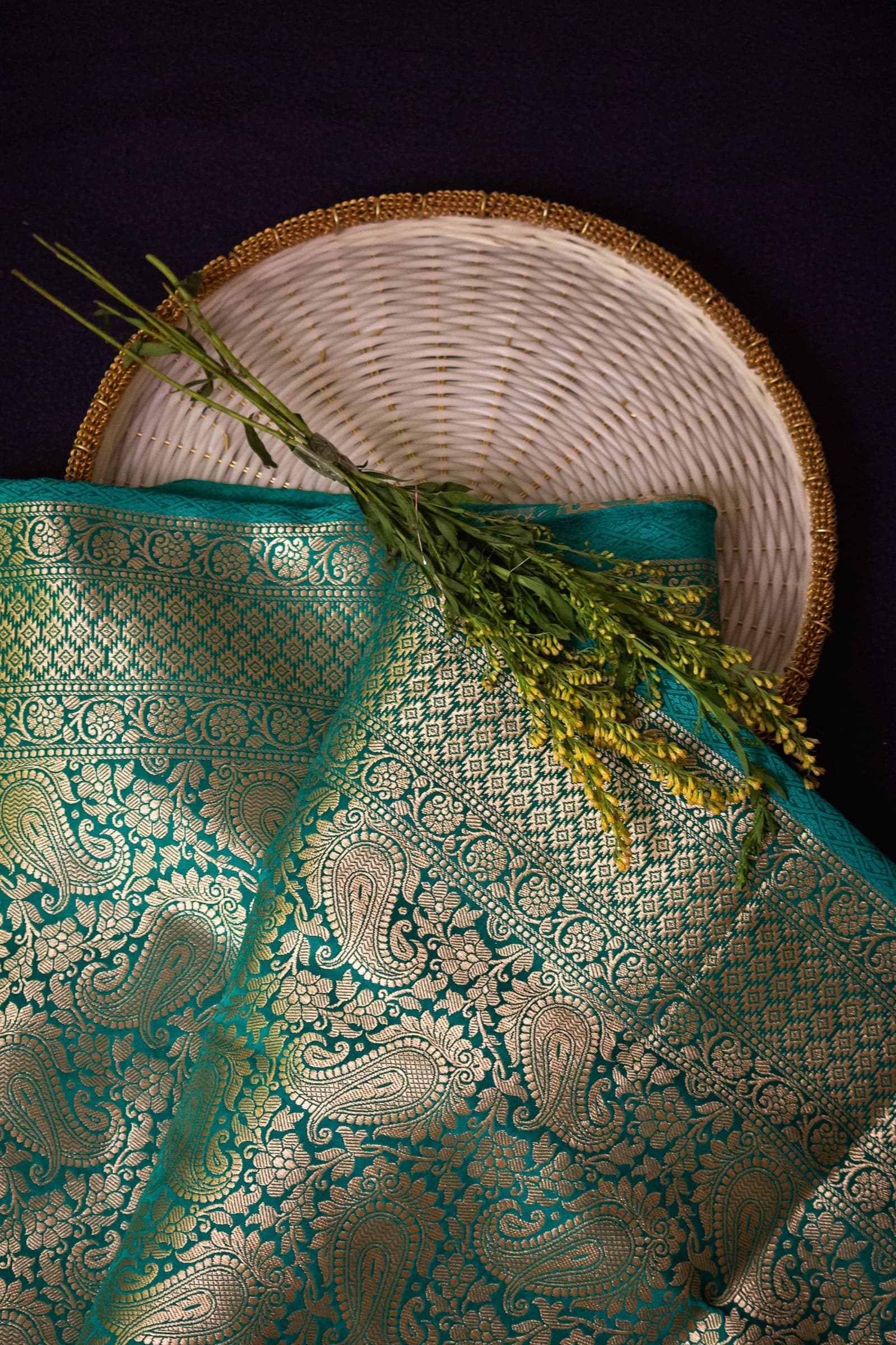
- Jamdani
- Dhakai
- Tant
- Katan
- Banarasi
- Kanjivaram
- Chanderi
- Bandhani
- Baluchari
- Silk
- Cotton
- Other
Trust & safety
Nobody is paid until the garment arrives.
Noksha is an intermediary, not a shop. We hold the money while the garment is in transit.
- Funds are held until you have the garment
- Payment goes to Noksha, not straight to the seller. We release it only once you have collected the parcel and confirmed the garment matches its listing. If it never arrives, you are refunded.
- Returns if it does not match
- If the garment does not match its description you can request a return within 3 days of collecting it. Once the returned saree is confirmed delivered back to the seller, you are refunded.
- Verified sellers
- Everyone selling on Noksha is identity-verified through our payment provider, Stripe, before they can receive money. To other users, only a username is ever visible — never your real name or address.
- Ratings after every purchase
- Buyers rate the seller once the garment arrives. Ratings stay with the seller's profile, so you can see who you are buying from.
Payments are processed by Stripe and shipping by PostNord. Noksha never stores your card details.
Sustainability
A saree worn again does not need to be made again.
Textile production is among the most resource-intensive industries there are. This is what is avoided when a single saree is reused instead of a new one being made.
at least 5 kg CO₂e — carbon dioxide equivalent, not emitted, per saree
carbon dioxide equivalent not emitted
per saree
approximately 5,000 litres of water — not consumed, per saree
of water not consumed
per saree
Compared with producing an equivalent new garment
Method and source
Both figures assume a cotton garment weighing 500 grams. A heavier saree, or one in silk, gives different figures.
Water: approximately 5,000 litres. The Water Footprint Network gives a global average of around 10,000 litres of water per kilogram of cotton fabric. Applied to a 500-gram cotton garment, that gives approximately 5,000 litres. It is the same linear calculation the Water Footprint Network uses for its widely cited figure of 2,500 litres for a 250-gram cotton t-shirt.
Carbon: at least 5 kg CO₂e. This is a deliberately conservative lower bound for a 500-gram cotton garment, measured cradle-to-gate. We state a minimum rather than a range because it errs towards understating rather than overstating.
The figures describe a single saree, and what is avoided when an existing garment is reused instead of a new one being manufactured. They are not a projection, not a total, and not a claim about future savings.
Green Loop AB is registered in Sweden. The name refers to the loop — garments that stay in use instead of being made again.
Join the list
We open soon.
Leave your email and we will let you know when Noksha launches. Tell us whether you want to sell or buy — that decides what we build first.